
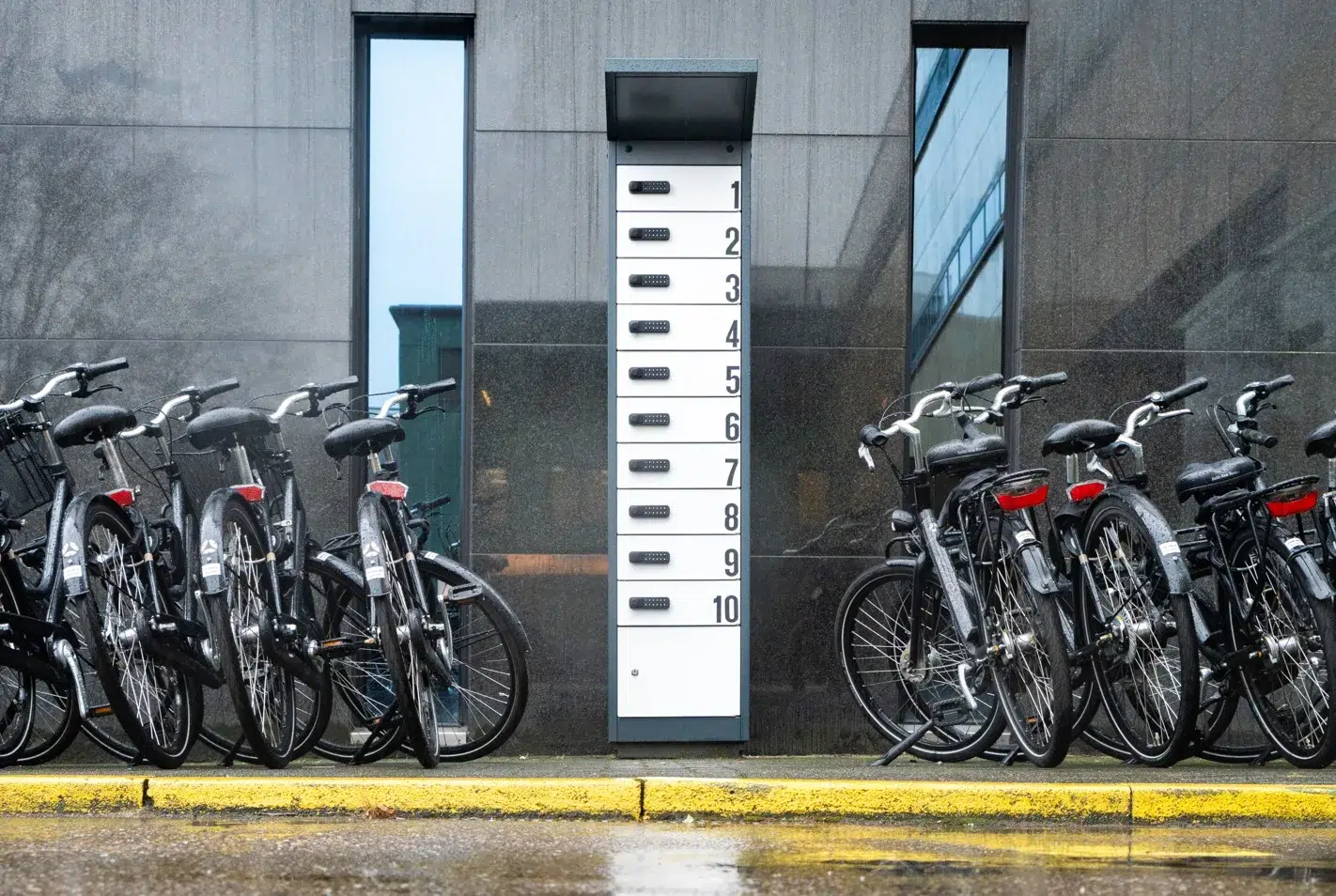
Solutions for Charging E-Bike Batteries at Workplaces
The challenge of enabling electric bike riders to commute to work while appeasing building managers, who face pressure from insurers about charging e-bike batteries on-site, has emerged as a significant hurdle within the cycling industry. Despite robust test lab data demonstrating that electric bikes pose minimal fire risks, fearmongering media coverage has led to insurance companies imposing bans, pushing electric cyclists back toward more congested and pollutant forms of transport.
This situation highlights a reactive approach, ignoring the root cause of the issue: the proliferation of substandard direct-to-market conversion kits, which have been responsible for many incidents. Although the bike industry did not create this challenge, it is now tasked with finding viable solutions. To address these concerns, businesses are innovating ways to regain the trust and support of building managers, particularly in urban environments.
Innovative responses include the development of public charging infrastructure, often paired with advanced software solutions. The upcoming launch of the Powershelter infrastructure in the UK aims to tackle these challenges head-on by providing necessary solutions to several cities and even outfitting Google’s Amsterdam headquarters with charging lockers.
The most pressing concern in the UK is the imbalance between the swift imposition of restrictions on e-bikes and the slow development of charging facilities. As Jake De Wulf, Co-Founder and CCO of PowerShelter articulates, “Restrictions alone won’t make e-bikes safer; they’ll just make them rarer.” The answer lies in establishing a secure, managed charging infrastructure, which PowerShelter has successfully implemented in various European buildings.
PowerShelter is set to introduce SmartShelter e-bike battery charging lockers across the UK—an industry-first offering property owners and facility managers secure compartments equipped with cooling systems and fire-suppression technology. These lockers aim to provide greater visibility for building managers concerning their charging operations. High-profile locations such as The Gherkin and Canary Wharf currently lack e-bike facilities, prompting Powershelter to seek outdoor installations that offer dedicated charging while ensuring bikes have secure parking.
Each SmartShelter compartment boasts advanced safety features including temperature sensors, automatic power shut-offs, and extraction systems designed to prevent thermal runaway—thus minimizing the risk to the broader building. This robust infrastructure lends itself perfectly to fleets of electric bikes.
From the software perspective, BatteryIQ is tackling these concerns by aiming to integrate technology into future e-bike batteries. This will involve syncing a chip within the battery to a live dashboard, allowing for real-time monitoring of battery health and security. As BatteryIQ’s Founder and chief engineer, Nick Bailey, puts it, the goal is to eliminate untraceable and potentially dangerous batteries from the market and provide property owners with assurances about safety before allowing any batteries into their buildings.
Currently, BatteryIQ is working on pilots with landlords and local councils to alleviate friction and increase safety around charging. Following dialogues with over 100 building managers and council representatives, there has been substantial interest driven by heightened liability and fire safety concerns, particularly in light of past disasters.
Bailey’s mission includes persuading battery manufacturers to adopt his solution to stabilize the market, ensuring that the e-bike sector avoids the pitfalls of substandard equipment. BatteryIQ’s scanners, now integrated into PowerShelter’s lockers, facilitate checks on registered batteries and user bookings, enabling a safe public charging environment.
The larger issue relates to the standardization of safety credentials for gig economy vehicle operators. The reluctance to pay fair wages has driven demand for cheap, often unsafe conversion kits. Solutions that ensure safety and efficiency not only protect individual riders but also enhance the overall perception of e-bikes as a sustainable transport option.
As the industry prepares to roll out surveys for councils and rail businesses, the focus remains on fostering a collaborative environment that enhances the safety and viability of e-bike technology in everyday commuting.
Sources
- Industry reports on e-bike safety and charging infrastructure.
- Interviews with building managers and e-bike industry stakeholders.
- Literature on fire safety measures and battery technology.
- Research studies on the impact of charging solutions for e-bikes.
