
In the rapidly evolving e-bike industry, a pressing concern has emerged: the widening gap between escalating motor power and the corresponding strength of drivetrain components. This mismatch is not merely a technical oversight but a significant challenge that manufacturers and riders alike must address.
The Power Surge
Recent advancements have seen e-bike motors pushing the boundaries of performance. For instance, DJI’s latest Avinox M2S motor boasts a peak power of 1500 watts and a torque of up to 150 Nm, setting new standards in the industry. (heise.de) Such power surges promise enhanced acceleration and hill-climbing capabilities, but they also place unprecedented stress on the bike’s mechanical components.
The Component Conundrum
As motor power escalates, the strain on drivetrain elements like chains, cassettes, and derailleurs intensifies. Traditional components, designed for lower torque levels, often struggle to cope with the demands of high-powered motors. This mismatch can lead to accelerated wear, reduced efficiency, and, in severe cases, component failure.
The KMC Perspective
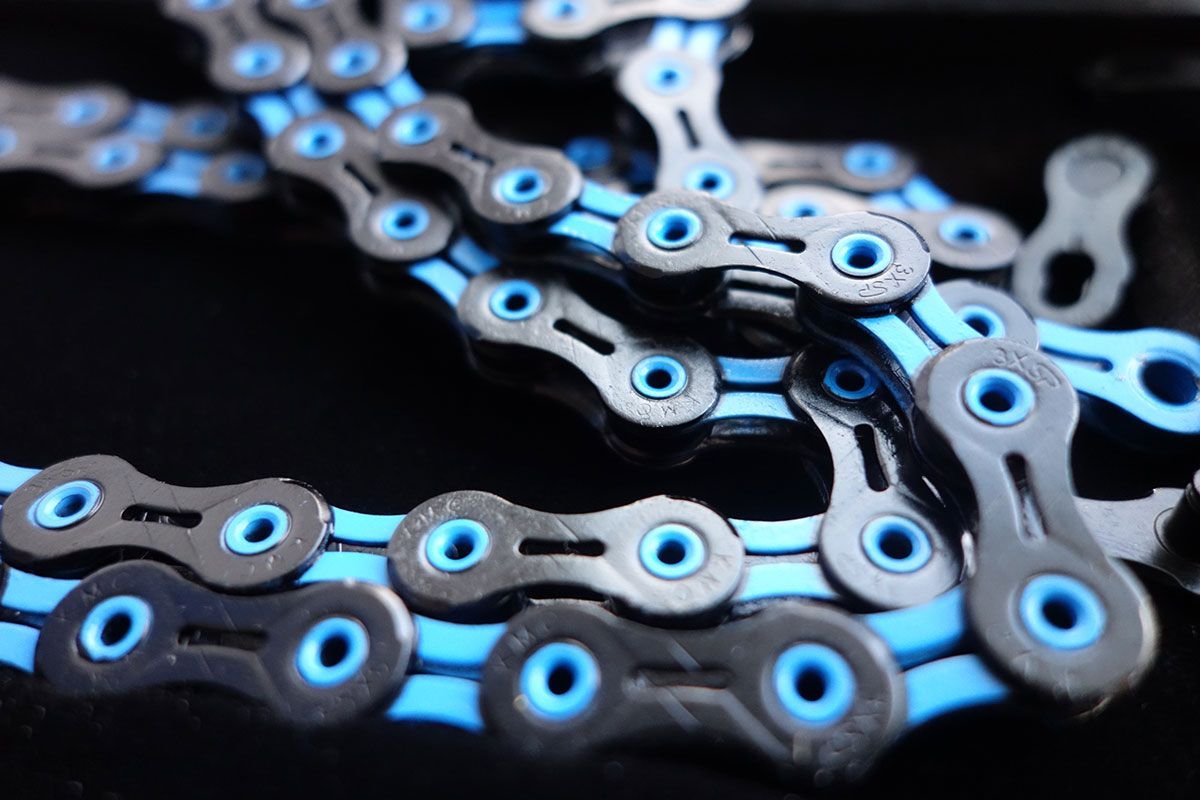
Leading chain manufacturer KMC has been at the forefront of addressing this issue. Recognizing the unique demands of e-bikes, KMC has developed specialized chains engineered to withstand the increased torque and stress. These chains are designed to offer enhanced durability and performance, ensuring that riders can harness the full potential of their high-powered motors without compromising on reliability.
The Price Dilemma
However, this enhanced engineering comes at a cost. Specialized e-bike chains are more labor-intensive to produce, involving advanced riveting processes and precision manufacturing. Consequently, they are priced higher than standard chains, leading to a disconnect between manufacturers’ pricing strategies and the actual needs of the components.
The Aftermarket Insight
The aftermarket sector has observed a trend where, after initial failures, mechanics often upgrade to these specialized chains to ensure longevity and performance. This pattern underscores the importance of investing in quality components from the outset to prevent recurring issues and additional costs.
The Engineering Challenge
The integration of high-torque motors with traditional drivetrain systems presents a complex engineering challenge. Manufacturers must innovate to create components that can handle the increased stress while maintaining smooth performance. This includes developing new materials, refining manufacturing processes, and rethinking component designs to achieve optimal synergy between motor power and mechanical strength.
The Road Ahead
As the e-bike industry continues to evolve, the collaboration between motor manufacturers and component suppliers will be crucial. A holistic approach, considering the entire system’s compatibility and performance, will be essential to meet the demands of high-powered e-bikes. Riders, too, must be informed and proactive, ensuring they choose components that align with their motor’s capabilities to enjoy a safe and efficient riding experience.
Sources:
- DJI’s Avinox M2S Motor Specifications
- KMC’s E-Bike Chain Engineering Insights
- Aftermarket Trends in E-Bike Component Upgrades
