
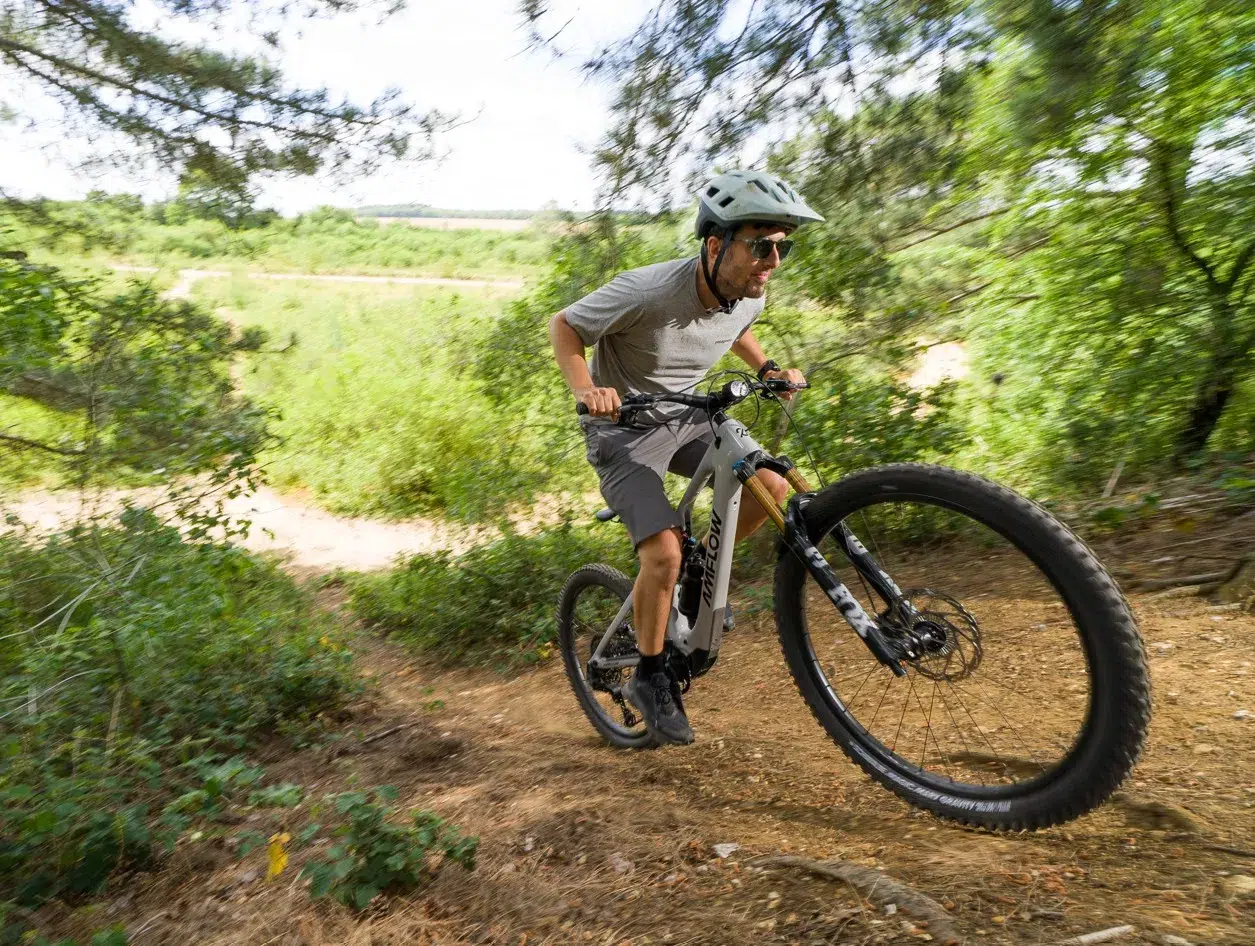
E-Bike Manufacturers: A Vision for 2027
As the days grow shorter and the chill of winter settles in, I begin to set my sights on the upcoming riding season. Each year, I reflect on the electric bikes I’ve tested and compile a wish list—hopes for innovations that I trust e-bike manufacturers are already contemplating for their next models.
An E-Bike Innovation Wish List
Battery Versatility Built-In
While range extenders have gained traction, the concept of a modular battery system deserves attention. Imagine a bike equipped to house a pair of 400Wh batteries within its downtube, allowing riders to choose the right power for their journey. Having experienced both lighter and heavier battery setups, I find that a compact battery can make a bike feel more agile without compromising performance. A stackable battery system could transform the riding experience, offering the versatility of multiple riding capabilities without the excessive weight of a singular large battery.
Frame Size Ranges: More Tailored Options for Women
One recurring issue in electric bike design is the lack of frame size options. Many manufacturers still adhere to a one-size-fits-all approach, leaving riders with inadequate fitting choices. Offering a broader range of frame sizes would not only enhance comfort but also broaden the appeal of electric bikes to diverse audiences. Greater representation in bike design, particularly the inclusion of women’s perspectives, is essential for creating products that resonate with all riders.
Enhanced Software Relevance
The integration of technology into e-bikes must evolve. Instead of displaying archaic data like cadence and trip time, imagine a system that prompts riders with navigation or personal metrics tailored to their needs. As e-bikes become increasingly tech-savvy, the software should adapt to elevate the riding experience. Innovations like real-time load balancing and AI-driven coaching could revolutionize how we interact with bikes, pushing boundaries and fostering a more intuitive understanding of our rides.
Indicators: A Critical Safety Feature
The incorporation of indicators into e-bikes, though once dismissed as unnecessary, is gaining traction. As safety becomes a primary concern for riders, these features can offer additional layers of assurance during urban commutes. It’s encouraging to see some manufacturers embracing this shift, putting pedestrian awareness at the forefront.
Advancements in Battery Technology
The push for solid-state and sodium-ion batteries signals a promising future for e-bikes. Reduced fire risk and improved energy density could redefine the landscape, paving the way for safer and more efficient riding. The day when we can transition away from traditional lithium-ion setups will not only enhance performance but also address critical safety concerns associated with electric bike fires.
Tackling Bike Theft
As bike theft remains a major barrier for potential e-bike owners, integrating security features like GPS tracking and immobilizers into standard upgrades is crucial. In 2027, we should witness a paradigm shift: louder alarms, more robust locking systems, and features that genuinely deter would-be thieves.
Wildcard Innovations
With solar technology becoming increasingly viable, the idea of integrating solar panels into e-bike designs merits exploration. This could significantly expand range capabilities for cargo bikes, making them more practical for everyday use.
As we look forward to the innovations of 2027, it is vital for e-bike manufacturers to embrace these ideas, bridging the gap between cycling and modern technology. The future beckons, and I welcome these transformations.
Sources
- Recent publications on electric bike technology trends (2026)
- Reports on battery innovations and advancements
- Safety and security developments in cycling
- Market research on consumer preferences for e-bikes
